

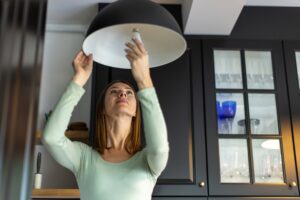
 As a tenant, keeping your rental property in top condition is about more than style or getting your security deposit back—it supports both safety and comfort. Steady upkeep helps prevent minor issues from developing into expensive repairs, while also making your home a place you truly enjoy. Successful proactive property maintenance involves cooperation between renters and landlords. By submitting repair requests early and applying smart seasonal maintenance tips, you can follow these recommendations for useful, tenant-friendly upkeep and keep your living space well-maintained year-round.
Why Rental Upkeep Matters for Safety and Comfort
Most people know that homes need maintenance and repairs periodically. But it’s equally important to understand how regular property maintenance genuinely benefits renters. Effective property upkeep enhances safety, boosts comfort, and supports an overall enjoyable living environment.
For instance, regular maintenance ensures appliances, climate control units, and other major systems (plumbing and electrical included) are functioning correctly. Even basic habits like spotting and reporting potential concerns early can greatly help in preventing disruptions, avoiding emergencies, and keeping everything in proper working order.
Seasonal Maintenance Tips for Tenants Year-Round
As a renter, there are plenty of ways you can support household upkeep. A number of these maintenance tasks are easy to carry out and only necessary once or twice per year.
For spring and summer, simple actions—such as changing light bulbs, inspecting smoke alarms, or dusting vent covers—can help prevent accidents or future concerns. Keeping each area of the home clean and in good repair also limits unwanted health hazards like pests, insects, and mold. Clearing your dryer lint trap, consistently changing furnace filters, and keeping appliances clean are additional ways to keep your rental home running smoothly.
Likewise, important fall and winter routines can help you stay healthier and more protected. Tasks like noticing and reporting issues with locks, rails, walkways, exterior lights, and electrical issues are essential for reducing security and risk. In the cold winter months, steps such as allowing water to drip or clearing snow can prevent frozen pipes and reduce the risk of disaster for both you and your landlord.
Working with Your Property Manager for Repairs
To keep your home in ideal shape, it’s important collaborate with your landlord so that property maintenance items are resolved quickly. A major part of that effort is knowing who is responsible for certain maintenance and repair tasks. A good lease will typically specify what your landlord expects you to take care of as far as property upkeep goes. In most cases, landlords and property managers manage major repairs, structural upkeep, plumbing concerns, and electrical problems. They also conduct Routine inspections and proactive care as part of their regular responsibilities.
Your landlord may also expect you to perform some basic maintenance. If you’re unclear about your responsibilities, simply ask your landlord for more information. This ensures all issues are handled correctly and without delay.
Most importantly, always maintain open lines of communication. Report maintenance issues as soon as you notice them and use online portals or approved forms when they’re available. Doing so keeps rental property upkeep consistent, minimizes confusion, and ensures repairs are completed when needed.
Rental Maintenance Is a Shared Responsibility
Taking care of maintaining a rental property is not solely the landlord’s duty—it’s a shared responsibility. Adopting regular upkeep habits and staying in contact with your landlord supports a safe and happy rental experience.
When you partner with a local company that prioritizes good upkeep, life becomes easier. Contact Real Property Management Victory at 205-793-0700 today. Let us help you find a rental home in Vestavia Hills that you’ll be proud to call home.
We are pledged to the letter and spirit of U.S. policy for the achievement of equal housing opportunity throughout the Nation. See Equal Housing Opportunity Statement for more information.
